PoolDeck Slatted vs Vinyl Pool Covers: An Honest Comparison
Willem de Wet · Managing Director
NSPI Accredited Member · SABS SANS 10134:2016 Certified
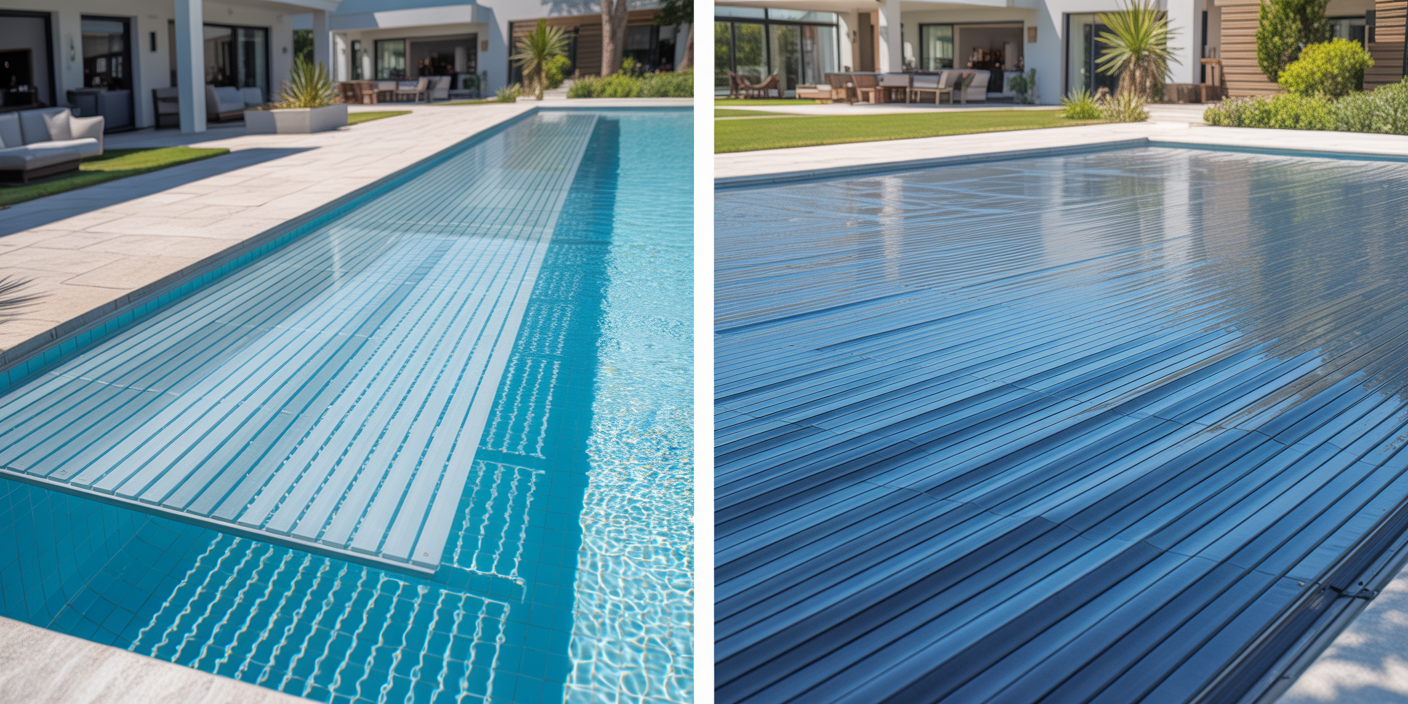
We sell and install both. So here's the honest truth from someone who has no reason to push one over the other: slatted and vinyl covers each excel in different situations. After 14+ years and thousands of installations across South Africa, here's how we guide our clients through the decision.
Head-to-Head Comparison
| Factor | PoolDeck Slatted | Vinyl (PoolLock / Saf-T3) |
|---|---|---|
| Lifespan | 15–20 years | 7–9 years (fabric), 10+ (hardware) |
| Aesthetics | Premium deck-like finish | Clean, smooth surface |
| Walk-on capable | Yes — pedestrian traffic | Yes — supports 250 kg/m² |
| Thermal insulation | Moderate (air gaps between slats) | Excellent (solid surface seal) |
| Retrofit suitability | Requires coping modifications | Surface-mount — easy retrofit |
| Hail resistance | PC: Vulnerable · PVC: Better | Excellent — flexible fabric |
| Best for | New builds, luxury aesthetic | Retrofits, max safety, budget |
| Safety standard | SANS 10134 ✓ | SANS 10134 + ASTM F1346 ✓ |
When to Choose a Slatted PoolDeck Cover
Slatted covers are the premium choice when aesthetics matter. The rigid slats create a seamless deck-like surface that transforms your pool area when closed. They're particularly popular in Sandton, Camps Bay, and Umhlanga where architectural integration is paramount.
Choose slatted if:
- You're building a new pool or doing a major renovation
- Visual appeal and property value are top priorities
- You want a walkable surface when the cover is closed
- You prefer the longest possible lifespan (15–20 years)
- Your pool is in a coastal area (no hail risk from polycarbonate)
When to Choose a Vinyl PoolLock Cover
Vinyl covers are the practical champion. They retrofit to almost any existing pool, deliver the best thermal insulation, and handle Highveld hailstorms without flinching. The PoolLock hydraulic system is our most-installed product for good reason.
Choose vinyl if:
- You're retrofitting an existing pool (no major construction needed)
- Maximum safety is the priority — 250 kg/m² load capacity
- You want the best thermal insulation and chemical savings
- You're in a hail-prone area (Gauteng, Free State, Mpumalanga)
- Budget is a factor — lower upfront cost with proven performance
Regional Recommendations for South Africa
Gauteng (Highveld)
Vinyl is generally the safer choice due to severe hailstorms. If you prefer slatted, choose PVC slats over polycarbonate and insure against hail damage. The altitude UV (25% more intense than sea level) affects both types equally.
Western Cape (Coastal)
Either type works well. Slatted covers are very popular in the Cape due to the wind resistance of rigid slats and the lack of hail risk. The salt-air environment requires more frequent rinsing of both types.
KwaZulu-Natal (Subtropical)
Vinyl offers better algae resistance because the solid surface blocks more sunlight. The high humidity and rainfall also favour vinyl's sealed surface over slatted covers, which can allow some water ingress between slats.
Frequently Asked Questions
Is a slatted or vinyl pool cover better for South Africa?
It depends on your priorities. Slatted PoolDeck covers offer superior aesthetics, walk-on capability, and longer lifespan (15+ years). Vinyl covers cost less, retrofit more easily, and provide stronger thermal insulation. Both meet SA safety standards.
Which type lasts longer?
Slatted polycarbonate covers typically last 15–20 years. Vinyl covers last 7–9 years for the fabric (German-manufactured, 7-year warranty), though the hardware lasts 10+ years.
Can I walk on a slatted pool cover?
Yes. PoolDeck slatted covers create a solid deck-like surface for pedestrian foot traffic. However, they should not be used as a play surface or for heavy equipment.
Which is better for hail?
Vinyl covers handle hail better — the flexible fabric absorbs impact. Polycarbonate slatted covers can crack in severe Highveld hailstorms. PVC slats are more flexible and resist hail better than polycarbonate.
Can I retrofit a slatted cover to my existing pool?
Slatted covers usually require coping modifications and a housing pit. Vinyl covers retrofit much more easily with surface-mount tracks on most rectangular pools. See our full retrofit guide.
Not Sure Which Cover is Right for You?
Our team will visit your property, assess your pool, and give you an honest recommendation based on your priorities, budget, and location.
Reviewed by Willem de Wet · Managing Director · NSPI Accredited · Last reviewed: 9 August 2026

Willem de Wet
Managing Director · NSPI Accredited · 14+ Years
Willem founded Designer Pool Covers in 2012 and has overseen 4,500+ installations across South Africa. An NSPI-accredited specialist, he brings hands-on expertise in automatic, safety and thermal pool cover systems — from entry-level thermal blankets to premium hydraulic automation.
More about Willem →Related Articles
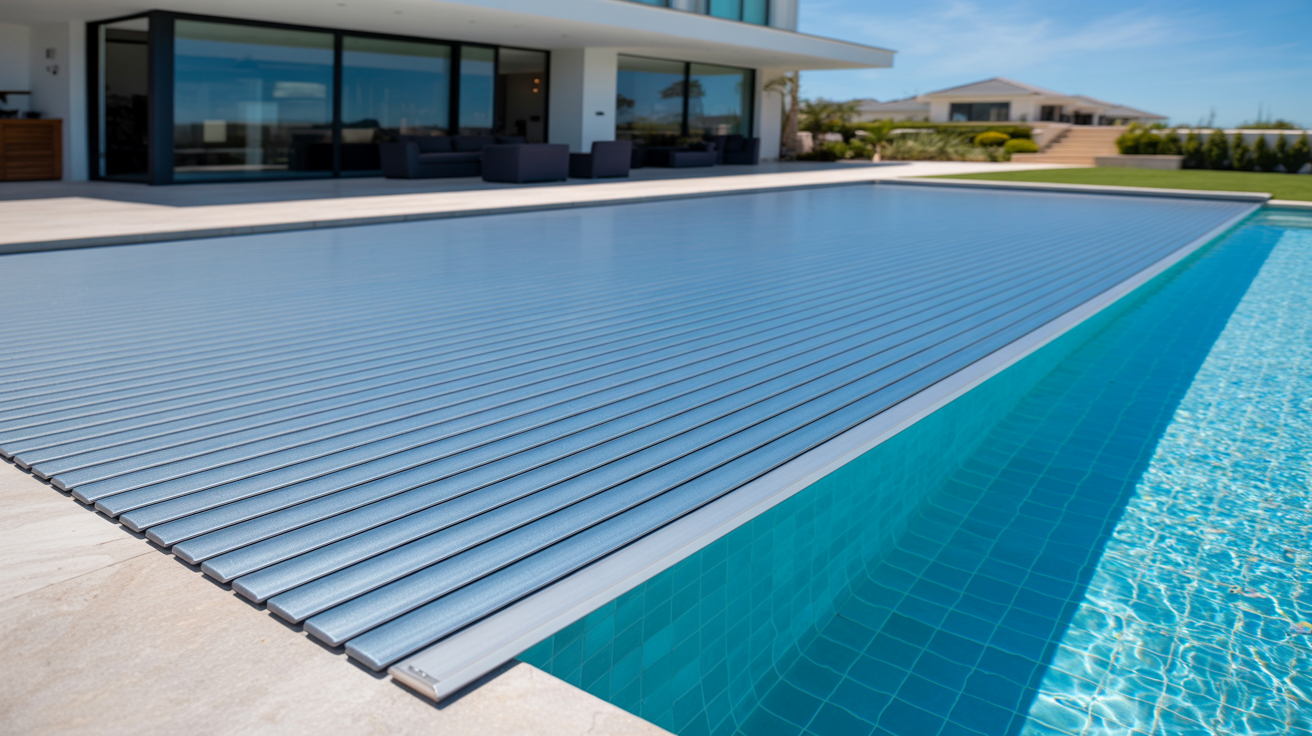
PoolDeck Slatted Pool Covers: Complete Guide
Everything about PoolDeck slatted covers — PVC vs Polycarbonate, installation types and colour options.
Read more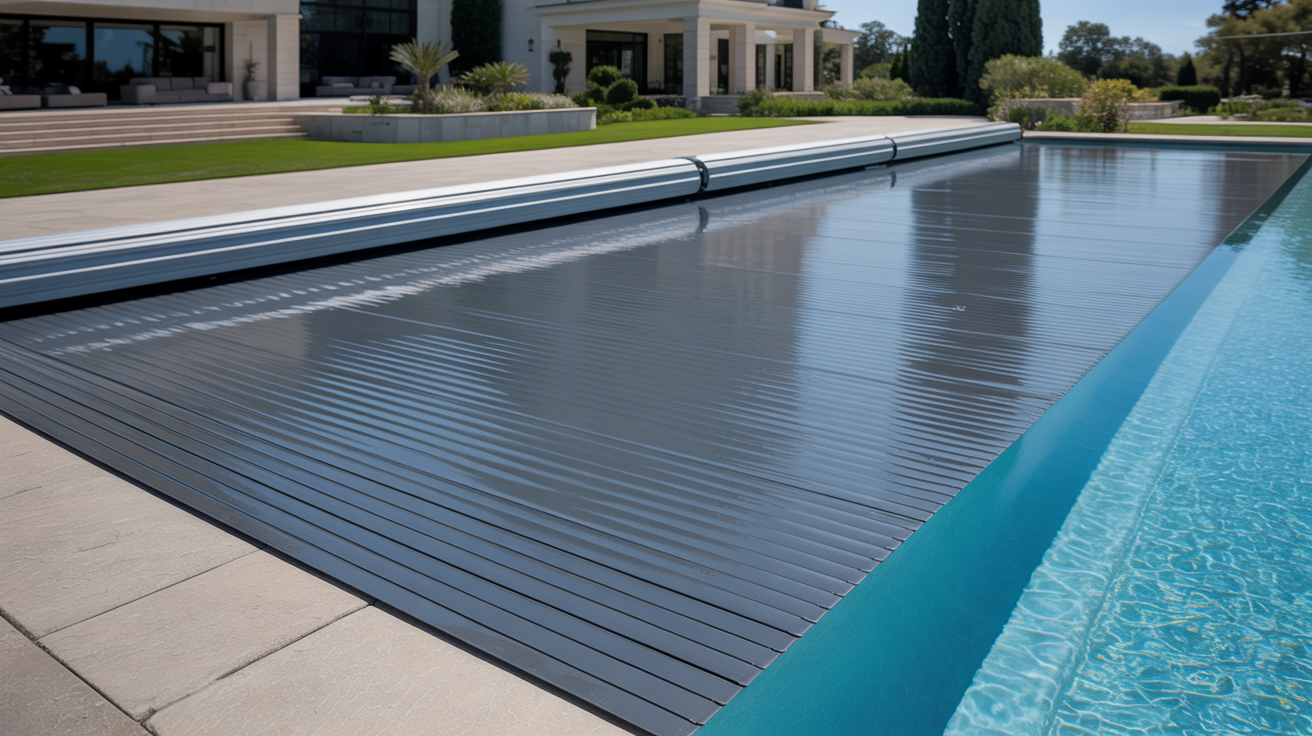
PoolLock Hydraulic Vinyl Covers Explained
250 kg/m² load capacity, sub-60-second deployment. The deepest dive on PoolLock hydraulic technology.
Read more
Pool Cover ROI: How Much Can You Save?
Water evaporation, heat retention, chemical reduction — detailed cost analysis for SA pool owners.
Read more